
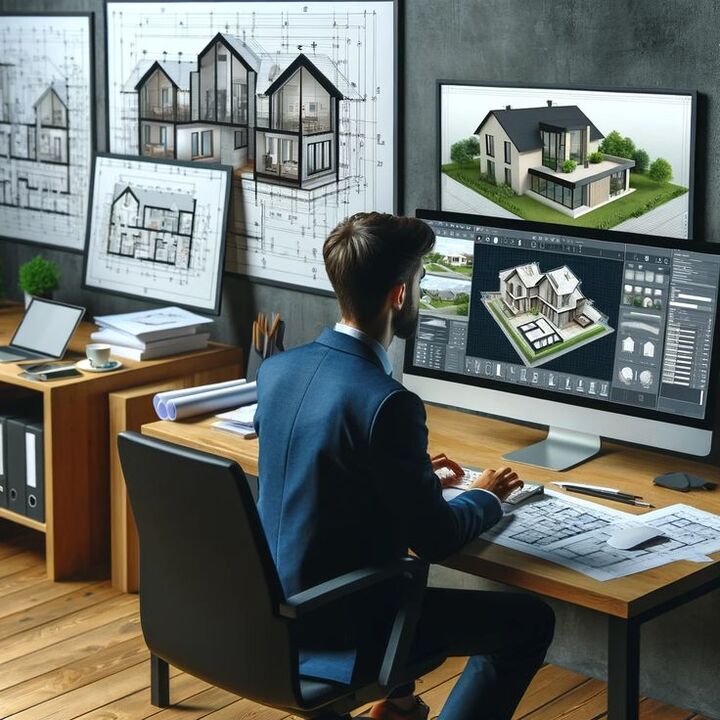
Mathematics is present in almost every aspect of architectural design. From proportions and symmetry to measurements and budgeting, math provides the foundation for accurate and creative structures.
If you are planning to pursue architecture, you must be comfortable with math. While it is not as advanced as pure mathematics, the concepts of geometry, algebra, and basic calculus are essential.
Math in architecture is not about solving endless equations but about applying logical structures. Architects use mathematical principles combined with creative design to produce buildings that are safe, functional, and visually appealing.


Mathematics has guided architectural design for centuries — from the pyramids of Egypt to today’s skyscrapers. Proportions, ratios, and structural calculations have ensured that buildings stand strong through time.
Math has been part of architecture ever since humans began building shelters. Even the simplest structures required measurements, balance, and planning to be successful.
Architecture blends art and math. While creativity drives design, mathematics ensures that structures are practical, safe, and sustainable, adapting through centuries of change.